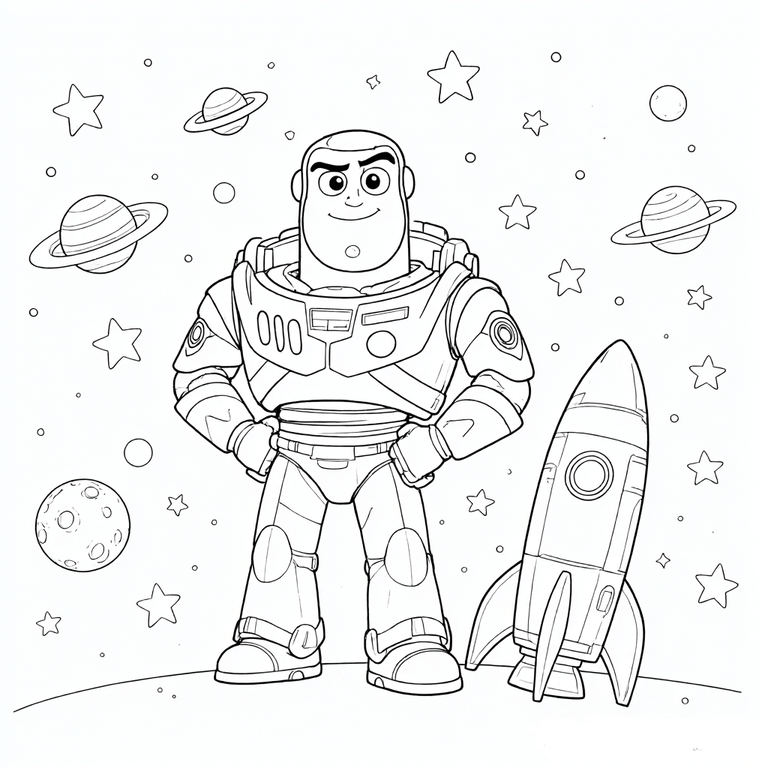
If someone had told you a few years ago that the answer to your stress might just be sitting in a box of colored pencils, you’d probably have laughed, right?
But here we are, and coloring has made an epic comeback for grown-ups, with therapists and brain experts backing it up as a legit way to chill out and get centered.
So, let’s talk about why coloring is no joke when it comes to giving stress the boot.
Why Coloring? And Why Now?
Coloring isn’t just about filling in pretty designs or creating Instagram-worthy pages (though, hey, that’s a bonus).
This is about giving your brain a break from the hustle and letting it hit the reset button. Coloring brings something to the table that most activities don’t: an easy, hands-on way to block out the noise and tune into a little peace and quiet.
It’s like meditation for people who get antsy just thinking about sitting still in silence.
The Brain on Coloring: What’s Actually Going On Up There?
Let’s dig into the science for a sec because the brain does some pretty fascinating things when you start coloring.
Here’s a quick rundown of how your brain takes a breather with every color choice and pencil stroke:
1. Engaging the ‘Relaxation Response’
When you sit down with a coloring page, your brain waves literally shift gears. Instead of operating on high-alert mode (hello, stress central), you move into a more relaxed state. Coloring activates something called the “relaxation response,” which is a fancy way of saying your brain calms down and hits a state similar to when you’re meditating. It’s that same relaxed mode your brain would go into during yoga or deep breathing exercises.
2. Turning Down the Volume on the ‘Fight or Flight’ Response
Here’s the thing: stress amps up your body’s fight-or-flight response, the one that sends your heart racing and your mind spinning. When you’re coloring, though, that response starts to wind down. Your mind focuses on something simple, repetitive, and calming, letting your system breathe a sigh of relief. It’s like you’re giving your nervous system permission to chill out.
3. Activating the Prefrontal Cortex (a.k.a. The Calm Center)
The prefrontal cortex—the part of your brain that handles reasoning, planning, and emotions—gets some special love when you’re coloring. It’s like giving it a mini workout. You’re making decisions (however small, like blue or green) and applying focus, which strengthens your ability to handle emotions better. The stronger your prefrontal cortex, the better you get at managing stress without losing your cool.
Why Coloring Works Better Than Scrolling Instagram (No Shade, Just Facts)
It’s not news that screens aren’t the best for your mental health, right? But here’s why coloring wins by a mile when it comes to stress relief:
1. Physical Connection
Coloring isn’t passive; you’re physically doing something. You’re engaging with the colors, feeling the paper, and making choices. This sensory experience helps keep you grounded, making it easier to focus and forget whatever had you stressed in the first place.
2. Rhythm and Repetition
The rhythmic motion of coloring, whether it’s shading or filling in lines creates a calming rhythm. Repetitive actions, like those found in knitting or even petting a dog, naturally slow down the nervous system. Coloring gives you that same repetitive calmness, and, honestly, it’s hard to stay stressed when you’re busy deciding between “coral pink” and “tangerine.”
3. Mindfulness Without the Woo-Woo
Mindfulness has a bit of a reputation chanting mantras, finding your inner zen, and all that. But coloring is a type of mindfulness that skips the woo-woo part. You’re just focusing on colors and shapes, not trying to reach enlightenment. It’s about staying present, not perfect, which is way more relatable.
It’s Not Just for Kids: How Coloring Hits All Age Groups Differently
Let’s talk about why coloring is literally for everyone. Whether you’re a stressed-out student, a busy parent, or a corporate powerhouse, coloring helps each age group in unique ways.
1. Kids and Teens: Creativity + Coping Skills
Coloring for younger kids is more than crayons and a good time. Studies show it actually helps build emotional resilience. They’re learning how to focus, cope with minor stressors, and express themselves creatively—all through a coloring book.
2. Adults: Stress Relief Without a “Side of Guilt”
Adulting is hard, no question. And most of the time, taking a break feels like slacking. But with coloring, you’re not just zoning out—you’re actively helping your brain. Plus, it’s creative without the pressure of being perfect. That’s huge for people who have a hard time relaxing without feeling guilty (hands up if that’s you).
3. Seniors: Cognitive Boost with Zero Pressure
Coloring can be a game-changer for older adults, especially when it comes to keeping the mind sharp. It’s a low-stakes, high-reward activity that improves focus and memory. And it’s great for fine motor skills, which helps keep the mind and body in sync.
The Therapeutic Benefits: Why Even Therapists are All About Coloring
You know you’re onto something when therapists are talking about it. Art therapy has long been a proven way to work through emotions and reduce anxiety, and coloring has a spot in the art therapy toolkit for good reason.
1. Emotion Processing Without the Talk Therapy Vibe
Talking about your feelings isn’t for everyone, and that’s fine. But coloring lets people process emotions on a different level, especially if they’re dealing with anxiety or PTSD. They can work through emotions without having to talk it out, which can be powerful for people who aren’t ready for traditional therapy.
2. Boosts Dopamine Levels
Fun fact: dopamine is your brain’s way of saying, “Hey, this is fun. Let’s keep going.” When you finish coloring a page or complete a section, your brain releases dopamine, giving you a hit of satisfaction. This rush of “feel-good” chemicals can improve your mood and make you want to keep going, which is a win-win.
Tips for Getting the Most Out of Your Coloring Time
So now you know why coloring is amazing for stress relief, but let’s make sure you’re getting the most out of it. Here are a few pro tips to maximize your chill-out time:
1. Choose a Design that Matches Your Mood
Some days you’re all about detailed mandalas; other days, a simple floral design is all you can handle. Pick a design that fits your energy level, so you’re not feeling frustrated halfway through.
2. Color Without Expectation
You don’t need to create a masterpiece. Let go of any pressure to make it “look good” and just enjoy the process. This is your time to unwind, not show off.
3. Set the Vibe
Put on some music or find a cozy spot to color. Setting a relaxed atmosphere will make the experience even more enjoyable.
4. Experiment with Colors and Textures
Grab those fancy gel pens or metallic markers and go wild. Trying out new colors and textures keeps things fun and keeps your brain engaged.
5. Make It a Habit
Even just 10 minutes a day can make a difference. Think of it like brushing your teeth: a little bit each day does wonders in the long run.
Why You Should Give Coloring Another Shot
Look, we’re not saying coloring will solve all your problems. But it’s a powerful tool to have in your self-care kit, especially for stress and anxiety relief. It’s simple, accessible, and doesn’t require a whole lot of commitment. Just a few pages, some colors, and a willingness to give yourself a break.
So, here’s the challenge: grab a coloring page, maybe a set of colored pencils, and see how it feels. Maybe it’ll be the easiest way to take a break without overthinking it, or maybe it’ll be your new daily ritual. Either way, you’ve got nothing to lose, and a whole lot of calm to gain.
Next time you feel that stress creeping in, skip the screen, grab the crayons, and let coloring bring you back to a calm, focused, and centered state. You’ve got this!