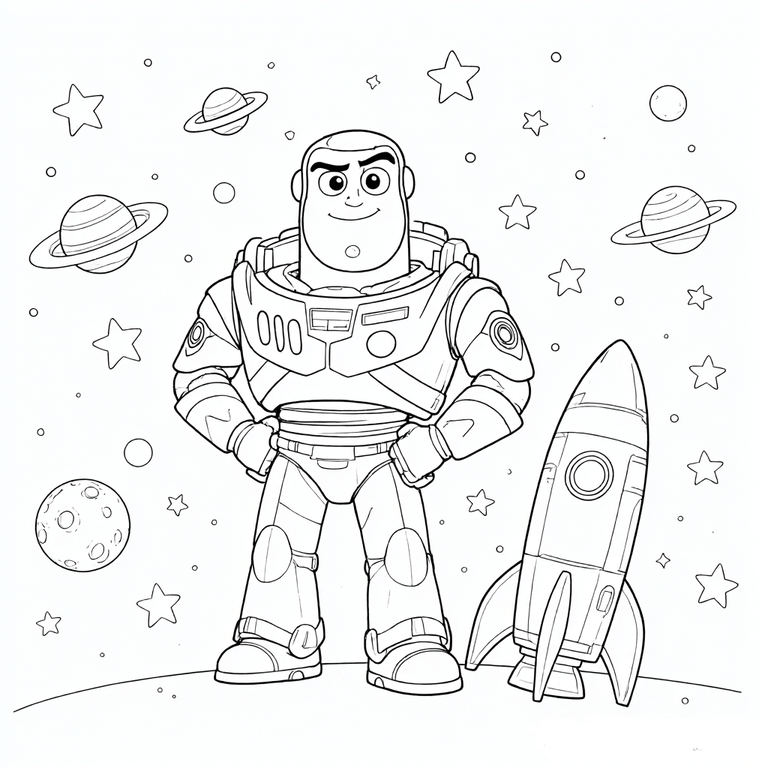
Coloring pages are no longer just for kids; they’ve gained popularity with people of all ages as a powerful tool for sparking creativity, reducing stress, and offering a delightful escape from daily routines. Coloring allows us to pause, refocus, and connect with our innate creativity, whether we’re young learners, seasoned artists, or adults exploring a new hobby.
But how does coloring boost creativity? And why should people of all ages make it a regular part of their routine?
Let’s explore the ways coloring pages can enhance creativity across age groups and why this simple activity is worth revisiting.
1. Coloring as a Creative Outlet for Kids

Building Blocks of Creativity
For children, coloring is often one of their first artistic experiences. Before they’re old enough to paint, draw detailed pictures, or engage in more complex artistic activities, coloring offers a safe and structured way to explore the world of color, patterns, and shapes.
It’s more than just filling in spaces, it’s a valuable activity for developing fine motor skills, understanding cause and effect, and even learning color recognition.
Imagination Unleashed
When kids color, they’re given a blank slate with few rules. They can decide if the sky is green, the dog is purple, or the trees are blue.
This freedom encourages imaginative thinking, allowing kids to express themselves freely and develop unique perspectives.
Over time, this ability to visualize and explore possibilities translates into broader creative thinking and problem-solving skills. Coloring provides a space where there’s no right or wrong answer, and that open-mindedness is a significant driver of creativity in young learners.
Building Confidence and Self-Expression
Every completed coloring page becomes a little success for a child. They’ve made choices, created something unique, and can proudly show off their work. This sense of achievement boosts confidence and encourages self-expression, qualities that are essential for future creative endeavors. Coloring fosters a mindset that says, “I can create,” helping children trust their instincts and ideas.
2. Coloring as a Mindfulness and Creativity Tool for Adults
Reducing Stress and Sparking Inspiration
For adults, life is often filled with responsibilities and distractions that can stifle creativity. Coloring pages offer a refreshing way to pause and refocus.
Studies have shown that coloring can have meditative effects, lowering stress and anxiety levels and creating a sense of calm. When our minds are at ease, creativity flows more naturally.
For adults who may feel distanced from their creative side, coloring can help rekindle that spark. As we become absorbed in the repetitive, rhythmic movements of filling in spaces with color, we allow our minds to wander, often leading to new ideas and inspirations. It’s as if coloring helps “clear the cobwebs,” making way for fresh thoughts.
Experimenting with Color and Design
One of the most exciting parts of coloring as an adult is experimenting with different color combinations, patterns, and shading techniques.
Even for people without formal artistic training, coloring offers a safe space to play with aesthetics and discover what resonates with them visually.
For example, blending colors can create a sense of depth and movement, while contrasting colors can add vibrancy and drama. These small experiments are the foundation of creative exploration, giving adults a taste of visual design principles that they might carry into other creative pursuits.
Nurturing Patience and Persistence
Completing a detailed coloring page requires patience, focus, and persistence—all qualities that are essential to creative problem-solving.
Adults who color regularly may find themselves more patient with other creative projects or challenges. They learn to appreciate the process, not just the result, which can be a valuable lesson in any creative field.
3. Coloring as a Learning Tool for Teens and Students
Enhanced Focus and Concentration
For teens and students, coloring can be a powerful tool for improving focus and concentration.
Studies have shown that engaging in repetitive, meditative tasks like coloring helps increase attention span, which is particularly beneficial for students balancing schoolwork, social lives, and extracurricular activities.
When coloring, students learn to set aside distractions and focus on one task, a skill that’s invaluable for learning and creativity.
Boosting Visual and Spatial Skills
Many coloring pages feature intricate designs, patterns, and mandalas that challenge teens to think visually. Coloring helps them develop spatial awareness and an understanding of how shapes, lines, and colors interact, building a strong foundation for fields that rely on visual-spatial skills, like architecture, design, and engineering.
A Safe Space for Self-Expression
Teens often grapple with questions of identity and self-expression. Coloring offers a non-judgmental outlet to express themselves and explore their interests without the pressure of “performing” or meeting standards. They can try out colors, styles, and patterns that resonate with their personalities and values, fostering a deeper sense of self. This safe space for exploration can build confidence and inspire teens to embrace other creative outlets.
4. Coloring as a Tool for Artists and Creatives
Building and Experimenting with Techniques
For artists and creatives, coloring pages are a great way to experiment with new techniques, textures, and color schemes.
Artists can push the boundaries of conventional coloring, trying out shading, gradients, and layering effects.
This experimentation can lead to new insights and methods they may not have explored otherwise. By applying these techniques to coloring pages, artists can refine their skills and gain fresh perspectives.
Jumpstarting the Creative Process
Artists sometimes experience creative blocks, and coloring can be an effective way to get the creative juices flowing again.
Picking up a coloring page allows them to engage in a low-pressure, enjoyable activity, removing the pressure to create something “perfect.”
This “warm-up” helps artists to ease back into their creativity, making it easier to tackle more complex projects. Coloring can be like stretching before a workout, helping artists ease into the flow of creation.
Building an Appreciation for Simplicity
In a world where many artists strive to create complex, high-impact work, coloring can be a reminder that beauty and creativity can also be found in simplicity.
Coloring allows artists to return to the basics and focus on fundamental elements of design, like color, balance, and composition. This practice of embracing simplicity can add new dimensions to their work, helping them appreciate the elegance of minimalism.
5. How Families Can Bond Through Coloring
A Screen-Free Family Activity
In an era where screens dominate family time, coloring provides a much-needed break. Families can gather around the table with coloring pages and a set of markers or colored pencils, sharing stories and conversations while they color.
It’s a low-cost, low-stress activity that creates meaningful memories and fosters communication.
Building Connections and Collaboration
Coloring pages also offer families a chance to collaborate on creative projects. Parents and kids can work together on a large coloring page, with each person adding their unique touch
. These shared projects promote teamwork, encourage cooperation, and create a tangible product that represents everyone’s contributions. Working together on a colorful piece of art can be a bonding experience that lasts beyond the time spent coloring.
Cultivating Creativity as a Family Value
When parents model creative activities like coloring, they show their children that creativity is valued in their family. Making time for artistic activities sends a message that creativity is worth nurturing. As kids grow up, they’re more likely to embrace creative thinking, problem-solving, and the arts, knowing that these qualities were appreciated and encouraged in their home.
6. Coloring for Seniors: A Gentle Way to Spark Creativity
A Soothing, Accessible Creative Activity
For seniors, coloring is an excellent way to stay engaged and creative. It’s easy on the hands, doesn’t require complex materials, and can be done at any pace. T
he repetitive motion of coloring is both calming and satisfying, making it a popular activity in retirement communities and senior centers. It’s an opportunity to maintain creativity in a gentle, manageable way.
Improving Cognitive Function
Research suggests that coloring and other forms of creative expression can improve cognitive function in seniors, potentially delaying age-related cognitive decline. Engaging in creative activities stimulates the brain, keeps neural pathways active, and helps maintain focus and attention. For seniors, coloring isn’t just about fun—it’s a way to keep the mind sharp.
Creating a Legacy of Creativity
For seniors, coloring can be an opportunity to connect with family and share their creations with loved ones. Whether it’s coloring with grandkids or creating a set of finished pages to gift to family, coloring allows seniors to leave a creative legacy.
They can look back on their completed pages as a reminder of their creativity and share them as gifts that represent their love and dedication to family.
7. Tips for Getting Started with Coloring at Any Age
Ready to start coloring? Here are a few tips for making the most of this creative activity:
- Start with Simple Tools: Colored pencils, crayons, or markers are all you need to get started. Avoid overwhelming yourself with too many tools, and just focus on enjoying the process.
- Experiment with Color Combinations: Don’t be afraid to mix unexpected colors or try bold combinations. Coloring is all about exploring without fear.
- Set Aside “Coloring Time”: Make coloring a regular part of your week. Even 10-15 minutes can make a difference in sparking creativity.
- Share Your Work: Whether it’s showing friends and family or posting on social media, sharing your finished pieces can inspire others to give coloring a try.
- Embrace the Process: Remember, coloring isn’t about perfection; it’s about enjoying the journey and allowing yourself to create freely.
Wrapping Up
Coloring is more than a pastime; it’s a powerful tool for cultivating creativity, relieving stress, and connecting with others.
Whether you’re young, old, or anywhere in between, coloring has something to offer. So grab a coloring page, a set of pencils, and let your creativity shine. It’s never too late (or too early)